

Looking for a CAMHS appointment without the long wait?
We’re here to help young people and their families find answers and the right path forward.

Timely support, when your child needs it most
Because your child’s wellbeing can’t be put on hold
When you are worried about your child, waiting for answers can feel overwhelming and frustrating. Our dedicated CAMHS team offers prompt appointments and flexible availability, helping families access specialist mental health support without unnecessary delays.
A collaborative approach centred around your child
Our multidisciplinary CAMHS team brings together specialists with expertise across a broad range of child and adolescent mental health conditions, allowing us to look at the whole picture.
Before any recommendations are made, each case is carefully discussed by the wider clinical team, ensuring that different perspectives and areas of expertise contribute to the assessment and treatment plan. This collaborative approach helps us provide thoughtful, well-rounded care tailored to your child’s individual needs.
We also recognise that a child’s wellbeing extends beyond the consulting room. Where appropriate, we work closely with parents, carers and schools to help create a consistent and supportive environment, ensuring that everyone involved feels informed and included.


Every child deserves the opportunity to be understood, supported and given the chance to thrive
Finding the right support can make all the difference to you and your child. Our specialist CAMHS team brings together expert psychiatrists, psychologists and psychotherapists who work collaboratively to provide compassionate, family-centred care. Working closely with families, we help children and young people access the right support at the right time.
Conditions we can help with:
- Attention Deficit Hyperactivity Disorder (ADHD) in Children
- Childhood anxiety
- Autistic Spectrum Disorders (ASD) in children
- Obsessive Compulsive Disorder (OCD) in children
- Depression in children
- Self-harming behaviour in children
What happens when your child is referred to our CAMHS team?
From the moment we receive your referral, your child’s care is handled with thoughtful attention by our specialist CAMHS team. Every referral is carefully reviewed by the entire team.
We usually meet with guardians and the child together (where possible), and may also spend time with each separately. This helps us build a full and balanced understanding of your child’s experiences and the support that may be most helpful.
Following the initial assessment, we may continue care with the same clinician or arrange further assessment with other members of the team, ensuring we draw on the right expertise at every stage.
Once the assessment or treatment has been completed, we will usually provide a clear written report for the family. With your consent, this can also be shared with other professionals involved in your child’s care, such as your GP, to help ensure continued support.

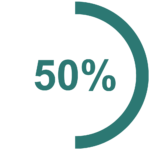
The average reduction in symptoms for young people
one year after receiving evidence-based psychological care
Source: The IMPACT Trial
Treatment for mental health disorders in children
At The London Psychiatry Centre, our CAMHS team offers expert treatment for a variety of childhood mental health disorders.
Our therapeutic approaches and interventions
CBT examines the links between thoughts, emotions, and actions, offering practical strategies to address current life challenges.
This approach views the young person within the context of their family system, recognising that positive changes in one area can benefit the entire group.
Therapists work with parents to implement effective strategies, such as positive reinforcement for good behaviour and clear, consistent consequences for negative actions.
When appropriate, medication can be a valuable supplement to therapy for conditions like ADHD, OCD or severe depression. Medication is prescribed by an experienced child and adolescent psychiatrist.
Family appointments provide a dedicated space for children, teenagers, and their families to think about ways to resolve problems together. These sessions are a key part of our systemic therapy approach, which views the young person within the context of their family system, recognising that positive changes in one area can benefit the entire group.
We prioritise communication with external professionals, such as school nurses, paediatricians and teachers, to create a unified network of care around the child.
Frequently asked questions
about Child and Adolescent Mental Health Services (CAMHS)
Which conditions can you help with?
Our multidisciplinary team provides comprehensive assessment and treatment for a wide range of child and adolescent mental health conditions, ensuring each young person receives a tailored care plan as part of our specialist child mental health services.
- Attention Deficit Hyperactivity Disorder (ADHD) in children: We offer integrated assessments for ADHD that follow NICE guidelines, looking at a child’s medical, developmental and school history. Treatment often involves a combination of psychological strategies, parenting support, and medication where appropriate.
- Childhood anxiety: We use evidence-based talking therapies such as Cognitive Behavioural Therapy (CBT) to help children understand and manage their thoughts and feelings.
- Autistic Spectrum Disorders (ASD) in children: Our team uses standardised tools like the ADOS and ADI-R for autism assessments to enable earlier understanding and support. We recognise that autism is a spectrum of overlapping pathways shaped by underlying biology.
- Obsessive Compulsive Disorder (OCD) in children: For children struggling with OCD, we provide specialist support which may include psychological therapies and, in some cases, medication to help manage symptoms as part of a wider treatment plan.
- Depression in children: To help young people manage depression and low mood, we provide a range of therapeutic interventions, including Interpersonal Therapy (IPT), Cognitive Behavioural Therapy (CBT), repetitive Transcranial Magnetic Stimulation (rTMS), and Family Therapy. As part of a comprehensive treatment strategy, medication may be recommended to support symptom management.
- Self-harming behaviour in children: Self-harm is often a symptom of underlying emotional distress or co-occurring conditions. We work collaboratively with families and schools to provide a safe space and consistent support for the child’s wellbeing.
You do not need a formal diagnosis to reach out; we also support families navigating unexplained behavioural changes, sudden drops in school performance, social withdrawal and other significant changes in routine.
What are some common mental health challenges in childhood?
Although major mental illnesses are uncommon in younger children, many experience frequent emotional or behavioural difficulties. These can manifest as:
- Low mood or anxiety
- Hyperactivity and oppositionality
- Challenges with school performance
Such issues often arise from environmental stressors, including family illness, bereavement, or divorce. In other instances, a child may be dealing with trauma like bullying, or have an underlying developmental condition such as autism, a learning difficulty, or Attention Deficit Disorder (ADD).
What age range do you treat?
We provide multidisciplinary assessment and treatment for a wide range of child mental health problems for children up to 18 years of age.
What specific specialists comprise the CAMHS multidisciplinary team?
- Child and Adolescent Psychiatrists: Medical doctors who focus on the mental health of young people, providing both pharmacological and psychological treatments. They possess expertise in child development and understand the complex interplay between physical health and social, biological, and psychological factors in mental health.
- Clinical Psychologists: Specialists with doctoral-level training in emotional wellbeing and mental health. They are experts in understanding behavioral, relational, and emotional patterns, and can perform assessments to identify learning-related challenges like attention or memory issues. Many also specialize in specific interventions such as CBT or family therapy. Psychologists are not able to prescribe medications.
- Mental Health Nurses (CAMHS): Registered nurses dedicated to supporting young people and their families through mental health challenges. Often trained in psychodynamic approaches, parent training, or CBT, they play a key role in multidisciplinary teams by coordinating care with schools, GPs, and social services. Nurses are not able to prescribe medications.
Does my child need to see a psychiatrist?
It may not be necessary for your child to see a psychiatrist. All members of our team are highly qualified and experienced, and our nurse and psychologist are able to offer initial assessments. They are also experts in psychological treatments e.g. parenting support, family work, individual therapy.
A psychiatrist may need to be involved if:
- There are concerns about serious mental illness, physical ill-health, or a complex developmental disorder.
- Psychological approaches haven’t been sufficient and another treatment, such as medication, needs to be considered.
Do I need a GP referral to book an appointment?
No, you do not need a referral from your GP to see one of our CAMHS specialists. You can book a private consultation directly. We are here to provide a caring and supportive environment for you and your child from your very first call.
How long are your waiting times for an initial assessment?
When you are worried about your child, waiting for answers can feel overwhelming and frustrating. At The London Psychiatry Centre, we understand the importance of timely support when your child needs it most.
Our dedicated CAMHS team offers prompt appointments and flexible availability, helping families access specialist mental health treatment for teens and children without unnecessary delays. You do not need a referral from your GP to book a private consultation directly with our specialists.
What happens during the initial CAMHS assessment?
The initial assessment is a collaborative discussion to understand your child’s difficulties and strengths. It usually involves meeting with the parents or guardians, spending some time talking or playing with the child (depending on their age), and reviewing any school reports. Our goal is to build a comfortable, pressure-free environment to map out the best way forward.
Why does CAMHS share information with other professionals?
The London Psychiatry Centre prioritises the child’s best interests, which involves a legal and professional responsibility to share information when appropriate.
A multi-agency approach – where CAMHS professionals, educators, and families collaborate – often yields the most successful outcomes. Since children frequently encounter challenges across various environments (home, school, and social circles), effective treatment plans typically integrate clinic-based therapy with school-based support and home-based behavioural strategies.
It is vital that a child’s GP is kept informed of any treatment provided by our centre and the nature of their difficulties. This ensures that local services, such as GPs, hospitals, or NHS CAMHS, have the necessary context should a family need to access them during a crisis.
Do you offer parent support and behavioural guidance?
Parents and carers play a vital role in a child’s wellbeing. Our specialists can provide practical guidance and evidence-based strategies to help manage challenging behaviours, encourage positive habits and strengthen family relationships, giving you greater confidence in supporting your child.
What are some useful online resources that I can explore?
If you would like to find out more about child and adolescent mental health, you may find the following online resources helpful: