Exhausted by treatments that don't work? Discover a different approach to depression
Fed up with antidepressants that don’t work or cause severe side effects? rTMS is a safe, drug-free alternative. Using our exclusive, patented protocol, we achieve double the remission rate of other clinics. Get your life back with evidence-based care.

Evidence-based care that changes everything.
An evidence-based alternative to antidepressants
Many people come to us for help after trying antidepressants and experiencing either little to no improvement in their symptoms, or side effects that significantly negatively impact quality of life.
Antidepressants have been associated with long-term harm including a mortality rate increase of 33%, osteoporosis and fractures, bleeding and withdrawal symptoms. In fact, a meta-analysis of FDA trials suggests that antidepressants are only marginally more effective than a placebo. The research also found profound publication bias that inflates their apparent efficacy.
As a clinic that prioritises evidence-based care, we offer rTMS, an effective treatment for depression, backed by science.
We champion rTMS because you deserve to recover safely from treatment-resistant depression without debilitating side effects.
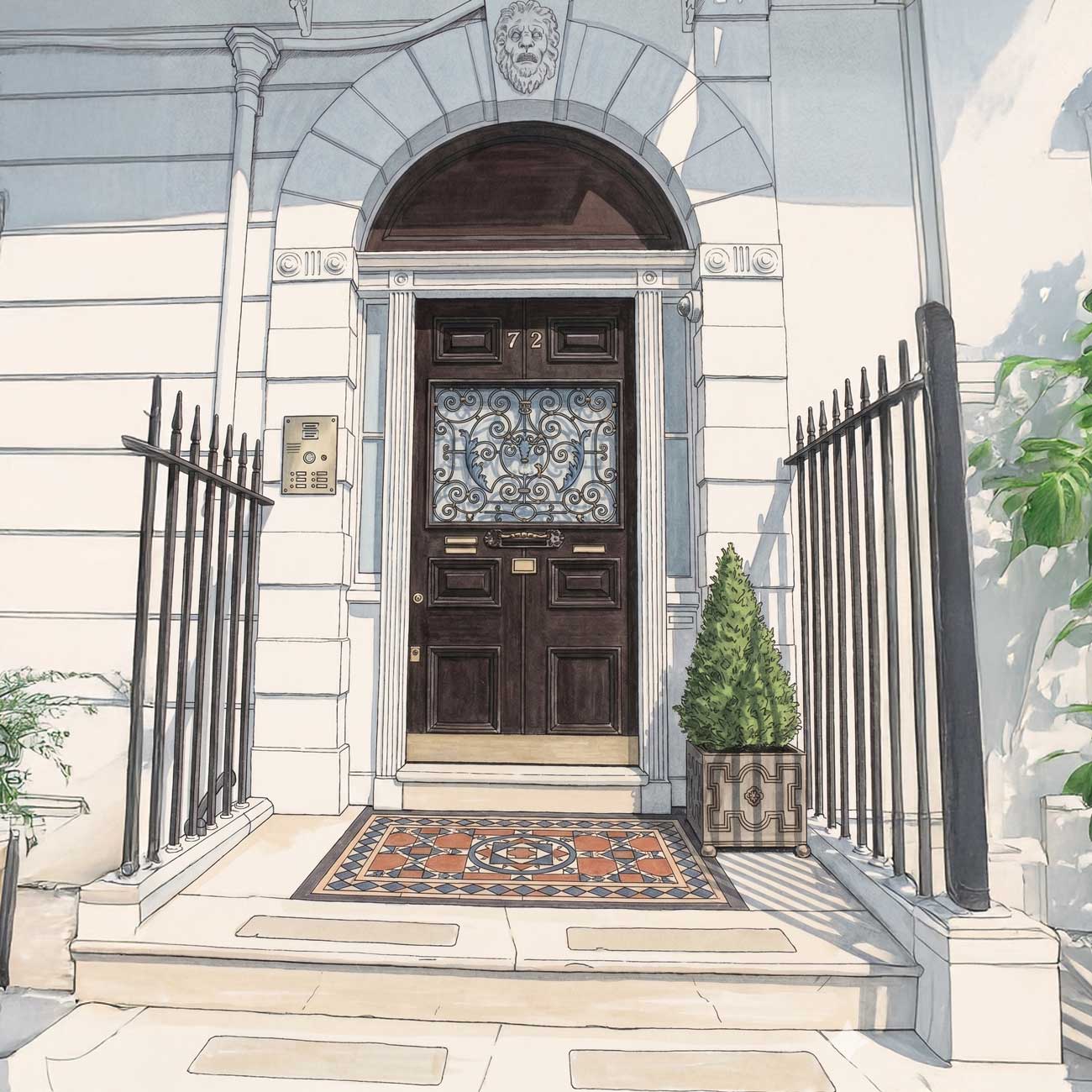
The trusted choice for rTMS
- Regulated and approved by the Care Quality Commission.
- Our consultants regularly contribute to research in the field.
- We were the first clinic in the UK to pioneer Repetitive Transcranial Magnetic Stimulation (rTMS) in the UK in 2012, and have been treating patients for 3 years longer than any other UK provider. As such, we are the most experienced clinic in rTMS treatment in the UK.
- Our recovery rates are significantly higher than other clinics and we publish our outcomes.
- We are clinical specialist advisers to the Interventional Procedures Programme of the National Institute for Health and Care Excellence (NICE). We worked with NICE to get rTMS approved for wider use in the UK in 2015 and rTMS went on to be adopted by the NHS in 2016.

JC, London
“Gradually, my days grew brighter until I felt pretty much back to normal. My only regret is not taking the treatment earlier – so much lost time.”
Take the first step towards recovery
We know how exhausting it is to try treatment after treatment without relief. Many of our patients come to us feeling hopeless.
Help is just a phone call away
Questions? Speak to our friendly team about whether rTMS might be a good fit for you. No obligation to book.
Frequently asked questions
Is rTMS safe?
Although no medical treatment is risk-free, rTMS is widely recognised to be a very safe treatment.
The majority of our patients report no side effects. However, possible mild, temporary side effects may include headache, muscle twitching, and a tingling sensation on the scalp during the treatment. These symptoms are mild and usually only last the first 1-3 sessions.
Serious side effects are incredibly rare, with seizures occurring in <1% overall – similar to most psychotropic medications.
Find out more here.
If you are concerned about the side effects, please don’t hesitate to speak to our team.
Will it hurt?
rTMS is a pain-free treatment. A small number of patients have reported experiencing a mild headache after their first sessions which resolved. Some patients report the first couple of sessions can feel a strange sensation, and a little uncomfortable.
How quickly will I feel better?
You may start to notice improvements as early as 2 weeks into treatment. Research has shown that it takes 6 weeks for our patients to reach full remission.
How long does a single rTMS session take, and how many will I need?
Each rTMS session takes around 30 minutes. Learn what happens during an rTMS treatment session. The amount you need will depend on your individual needs. Your consultant will discuss this with you.
Can I drive myself home or go back to work after a session?
Yes. You can continue with your day as normal after treatment.
What exactly happens during an rTMS session?
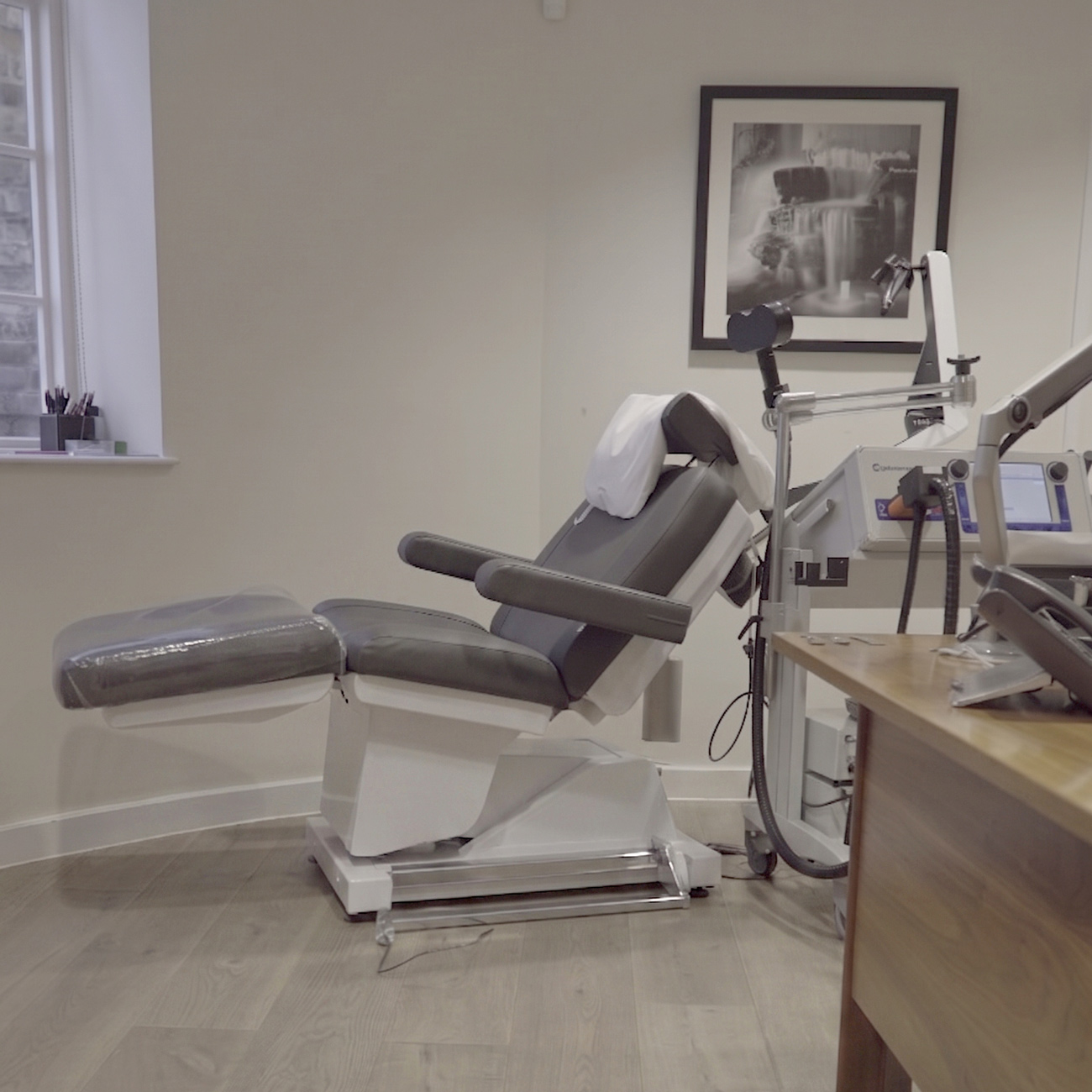
Repetitive Transcranial Magnetic Stimulation (rTMS) treatment with The London Psychiatry Centre is as relaxed as possible. We will do everything we can to ensure our patients are at ease during the treatment. Learn about what happens during an rTMS session in detail.
Do I have to stop taking my antidepressants to have rTMS?
Your consultant will be able to discuss the best possible treatment plan for you, which may or may not result in changing or removing your current medications. All recommendations are made with you, using our extensive expertise.
What can rTMS help with?
In addition to treatment-resistant depression, rTMS can be helpful for individuals with substance use disorder, fibromyalgia, tinnitus, obsessive compulsive disorder, and can also be used by women who are pregnant.
Research into the positive effects provided by rTMS is continually expanding, with new applications to treat different conditions under review.
Is rTMS covered by private health insurance?
The London Psychiatry Centre operates as a self-pay service. While we do not bill insurers directly, we provide receipts that you can submit to your insurance provider for reimbursement. Because every policy is different, we strongly recommend checking your insurer’s specific reimbursement terms before booking your appointment.
How does rTMS compare to ECT?
ECT has been traditionally regarded as the most effective antidepressant treatment. However, a large study compared rTMS to ECT and concluded that rTMS is as effective as ECT in non-psychotic depression, but unlike ECT, rTMS did not produce any memory impairment.