

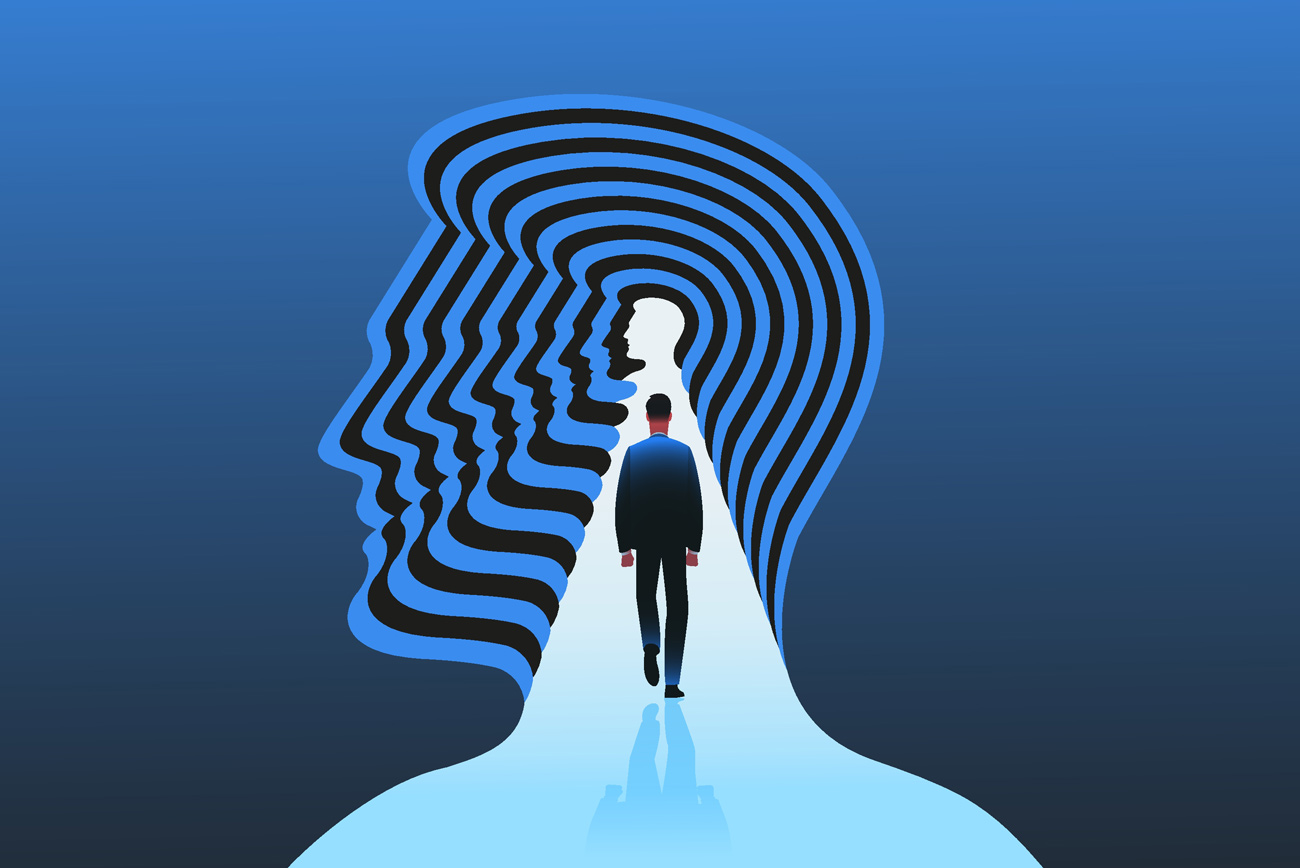
Men’s Mental Health: What every man needs to know this Movember
November is Movember, and this year, the global men’s health movement is asking something simple and powerful: that you make a Growmitment. That means committing to men’s health, not alone, but with someone – whether that’s a friend, a brother, a partner or colleague. The evidence is clear: when men talk about their struggles and feel safe to lean on a community, mental health noticeably improves.
We’ve come a long way in the past decade on the issues of stigma, education and access to support. According to Mind’s ‘Get It Off Your Chest’ report ten years on, men were three times more likely in 2019 to see a therapist than in 2009 when feeling worried or low.
It’s clear that mentality is changing towards seeking help, but alongside this shift, the number of men experiencing suicidal thoughts when feeling down has doubled across the same period. And in 2023, around 75% of all registered suicides in England and Wales were male, according to ONS data.
Let’s take a look at what commonly gets in the way of men seeking help, what that does to the body as well as the mind, and, critically, what can actually change things. With compassion and support, recovery is possible – and the first step often involves self-recognition.
Why don’t men seek help for mental health problems?
Men may not seek help for a few reasons: cost and accessibility barriers, stigma, a lack of education, or socialisation that makes them reluctant to name and share feelings. The barriers aren’t weakness. They’re often structural, cultural, and deeply ingrained. And understanding them matters if we’re going to change anything.
“In 2019, 10% of men said that the fear of being told they were mentally ill would be in their top three reasons likely to stop them seeking help, versus 6% of women believing the same”
– Mind, Get it off your chest: 10 years on
A review published in Mental Health Practice identified these four, consistent barriers to help-seeking in men:
- Structural barriers: cost, accessibility, and waiting times
- Stigma and masculinity: fear of being judged, linked to traditional masculine norms
- Low health literacy: limited awareness of what mental health conditions look and feel like
- Attitudinal factors: a reluctance to talk about emotions and distrust of mental health services
Recognising yourself in any of this is a start. At The London Psychiatry Centre, we’re used to seeing patients who weren’t sure they needed help, and we’ll always meet you without judgement.
“People often come never believing they will get better. They ask me if they have to believe they’ll get better to recover, and I say “no, you don’t”. We can help you get back on the right track even if it’s not something you thought possible for yourself.”
– Dr Andy Zamar, Consultant Psychiatrist at The London Psychiatry Centre.
How does male socialisation affect mental health?
Boys and men have historically been socialised to ‘put on a brave face’ and ‘just get on with it’, which can mean that over time, it becomes more difficult to recognise the feelings that need professional attention. This means that their mental health often takes a toll long before anybody else knows they need help.
Psychology has long understood that the way boys are socialised plays a central role in how men relate to emotion, vulnerability, and help-seeking in adult life. It’s never too late to seek help, and it’s imperative in 2026 that we continue to educate and create safe spaces for men to express themselves.
How does this impact male wellbeing?
- Men who score higher on traditional masculine ideology show more negative attitudes toward seeking professional psychological help
- Normative alexithymia – the difficulty naming and expressing feelings – is one of the strongest predictors of help-avoidance in men
- Men who feel a genuine connection with their therapist are significantly more likely to stay in therapy and seek help again, suggesting one barrier is experience quality and expectation, not an absence of need
The good news is that these patterns can be understood and worked through. Through building a trusted relationship with a clinician, we can create space for the naming and processing of experiences that there’s never been a language for. At this point, things tend to shift in a positive direction.
Which mental health conditions are most common in men?
The most common mental health conditions amongst men in 2026 are depression, alcohol and substance dependence, PTSD and ADHD. Men experience mental health difficulties at significant rates, but the picture is often hidden because men are less likely to be diagnosed, less likely to seek help, and less likely to stay in treatment.
How do these mental health conditions show up in men?
- Depression is often experienced by men through irritability, anger, and risk-taking behaviour rather than low mood, which can make it harder to recognise
- Alcohol and substance dependence affects men more significantly than women, with men being twice as likely to drink at dangerous levels
- ADHD, which remains significantly underdiagnosed in adults, is often missed in both men and women who mask symptoms throughout childhood. People with ADHD may be more likely to suffer from other mental health conditions, and have a higher rate of suicide.
- Post-traumatic stress disorder (PTSD), which, as with depression, often manifests in men as irritability, anger, violence and substance abuse
Can depression cause heart disease in men?
In short, yes – depression can meaningfully increase the risk of heart disease in men, and here’s how.
Men diagnosed with depression are significantly more likely to develop heart disease, with one study in the British Journal of General Practice finding the risk was nearly three times higher. The association was not significant in women – so the scale of this cardiovascular risk really is an issue unique to men.
A UK study of over 367,000 adults confirmed the overlap between coronary heart disease and depression, finding that shared inflammatory markers act as causal contributors to depression.
In practical terms, what does this mean?
- Untreated depression in men may meaningfully raise the risk of heart disease
- Inflammatory processes associated with chronic stress and depression can affect the cardiovascular system over time
- Treating mental health is not separate from physical health. For men, it may be one of the most important things they can do for their heart
The connection between mental health and cardiovascular disease is one of the most clinically important, and most under-discussed, links in men’s health. It’s all the more important that we continue striving to recognise early warning signs and raise awareness so we can offer intervention fast, where necessary.
At The London Psychiatry Centre, we don’t treat symptoms in isolation. Whether you’re coming to us with low mood, stress that won’t shift, or something you can’t quite name yet, our clinicians take the time to understand the whole picture.
Can men’s mental health actually get better?
Yes. And the research doesn’t just say it can, it shows how and why.
Nothing described above equates to fixed personality traits, but learned patterns. And learned patterns can be unlearned, thanks to the brain’s ability to adapt and change.
More men are talking, and more are reaching out.
This Movember, the Growmitment campaign is built on exactly this logic: that change is more likely when it’s shared. Make a commitment to your health with someone else, because asking for help is easier when someone you trust has already opened the door.
What might a Growmitment look like?
The accountability pair: two men who agree to check in each week, just a genuine “how are you doing?”
The ‘book it together’ approach: if you’re nervous about booking a first therapy session, it can be empowering to book an appointment at the same time as a friend. Sometimes, it’s easier to pick up the phone when you know someone’s doing it with you.
The lifestyle anchor: committing to something together that can support mental health, such as a morning walk, a weekly gym session, or a shared meal.
What are the most effective treatments for men’s mental health?
One of the most important things to acknowledge here is that there isn’t a single treatment that works for everyone, and the right support depends on the person, the presentation, and how things have developed over time. But there are highly effective, evidence-based options available to you.
Psychotherapy is often where things begin to change. The approaches most commonly used for depression, anxiety, PTSD, and the kinds of presentations that affect men include:
- Cognitive Behavioural Therapy (CBT), which helps identify and shift unhelpful patterns of thinking and behaviour
- Psychodynamic therapy, which explores how earlier experiences and relationships have shaped current emotional life
- Integrative approaches, which draw from several modalities to meet you where you are
If your depression hasn’t responded to medication or standard talking therapies, you may like to consider repetitive Transcranial Magnetic Stimulation (rTMS) is a non-invasive, NICE-approved brain stimulation treatment, pioneered in the UK by The London Psychiatry Centre.
You don’t have to have it all figured out before you come to us. Our world-class care starts with a single conversation, and we’ve been having those conversations with men who weren’t sure they were ready, for decades.
Where can men get mental health support right now?
Help is available right now, today, for free. These are the UK’s most trusted resources for men’s mental health:
● Samaritans – call 116 123, free, 24 hours a day, every day of the year. You don’t have to be in crisis to call.
● Campaign Against Living Miserably (CALM) – specifically for men. Call 0800 58 58 58 or use the webchat, 5pm to midnight daily.
● Mind – call 0300 123 3393 for information on local services and support options.
● Shout – text SHOUT to 85258 for crisis support by text, 24/7.
● Men’s Health Forum – information, research, and community focused on men’s health in the UK.
● Movember – find local Growmitment events, fundraising challenges, and mental health resources throughout November.
If what you’ve read here is resonating, that feeling is information worth paying attention to.
At The London Psychiatry Centre, we work with men at every stage of their mental health journey, from a first conversation about low mood to complex, treatment-resistant presentations. We offer fast access to leading experts in mental health. Our team includes consultant psychiatrists, psychotherapists, and psychologists, all under one roof.
For more information or to book an appointment, contact us on info@psychiatrycentre.co.uk or call us on 020 7580 4224.
This Movember, if something’s been sitting with you, we’re here to support you. Sometimes the first step to feeling better is feeling comfortable enough to start the conversation.