


Tried antidepressants but depression won’t go away? Many people diagnosed with depression actually have what’s known as Treatment-Resistant Depression (TRD). Find out more....

Are your antidepressants not working, or even making your symptoms worse? Have you tried treatments for depression only to find them at best ineffective and at worst aggravating? If this is you, your situation is more common than you may think. In fact, research has shown that of people with moderate to severe depression symptoms, around half have experienced antidepressants not working. Thankfully though, science is getting to grips with why. Read on to find out more....

Could you have a very common yet seriously undiagnosed form of bipolar disorder? Is your depression not improving? A surprising number of people are suffering with what clinicians often call treatment-resistant depression – in which their mood and thinking just isn’t returning to normal. We explain more....

We are delighted to announce that the Founder and Medical Director of The London Psychiatry Centre, Dr Andy Zamar, has been invited to join the World Federation of Societies of Biological Psychiatry (WFSBP) task force on Neuroprogression in Psychiatric Disorders. ...

Bipolar disorder affects around one million people in the UK alone. It is a serious mental illness which can greatly impact the lifestyle of the sufferer, as well as those around them. In light of world Bipolar Day on March 30th, we look at bipolar disorder and the risk of suicide, including the signs to look out for and when to seek help....

We know exercise is great for the body – it makes the heart stronger, it helps improve your bones and joints, and also lowers your risk of certain illnesses like heart disease and diabetes. But how about using exercise for mental health? Exercise is a really effective tool for helping to improve mood and mental wellbeing. ...

Having a baby can be an incredibly joyous time, however planning a pregnancy with a mental health condition requires careful preparation and extra considerations. Medications may need to be adjusted, and a sudden lack of sleep combined with fluctuating hormones and new stresses can influence your mental state and even trigger mental health problems. ...
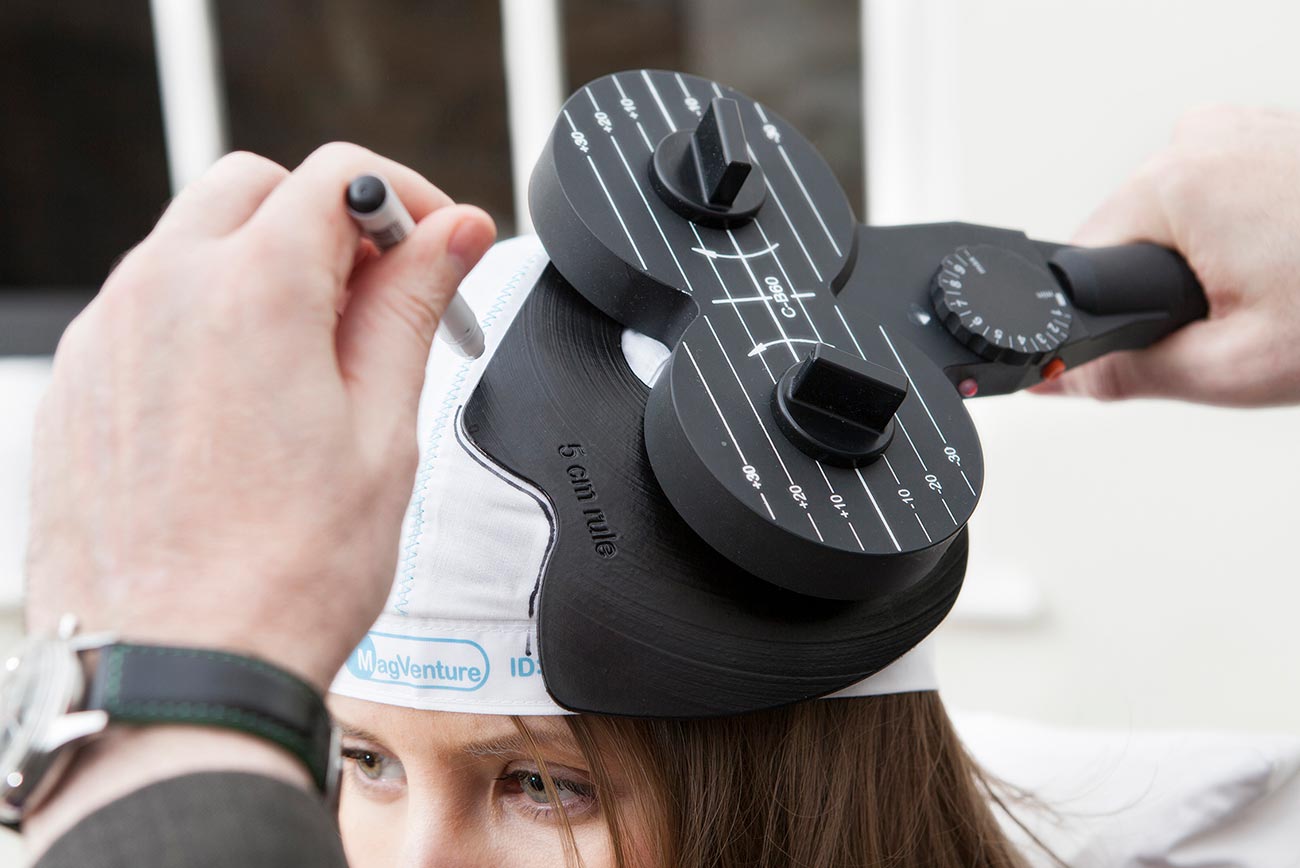
Millions could benefit from bipolar breakthrough #Worldfirst. The lives of millions of bipolar sufferers around the world are about to change forever as The London Psychiatry Centre announced in Cape Town a brand-new discovery in the treatment of the crippling illness....

More than 800,000 people die by suicide in the world each year. That’s one person every 40 seconds. In the UK alone, one person every 90 minutes dies from suicide. And for every one suicide, 25 other people make an attempt. Organised by the World Health Organisation (WHO) and International Association for Suicide Prevention (IASP), World Suicide Prevention Day aims to raise awareness of the risks of suicide and spread knowledge of what you can do to help prevent suicide. ...

With World Bipolar Day just around the corner on 30th March 2018, we take a look at the disorder and how it affects the sufferer. Suicide is the leading cause of death in bipolar sufferers. 25-60% of bipolar patients will consider suicide and around 19% will take their own life1. According to several studies, people with bipolar are 20-30 times more likely to commit suicide than the general population....