

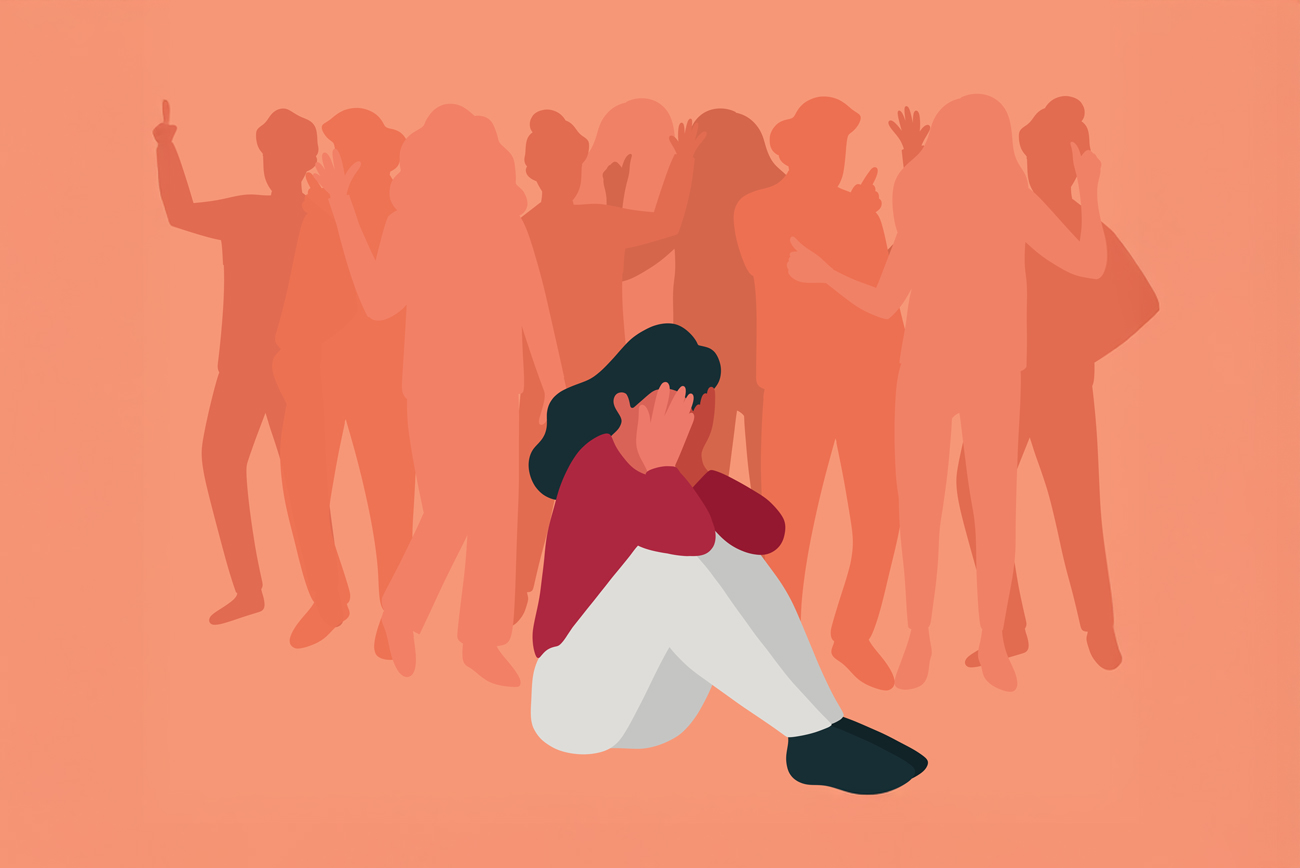
Chronic stress, inflammation and mental health: What your body is trying to tell you
Unlike acute stress which usually registers loud and clear – think receiving bad news or having a near-miss on the motorway – chronic stress sets in gradually. Our bodies adjust over time to stress levels we weren’t designed to handle, whilst our experience of ‘normal’ is slowly reshaped by repeated exposure to abnormal pressures.
In psychology there’s a concept known as adaptation: the process by which we adjust to new conditions until they no longer feel new to us. In other words, our baseline for experience can shift, again and again. Adaptation is one of the mind’s most useful capacities, allowing us to overcome the discomfort posed by adversity and change. But in some circumstances, it’s also one of our most dangerous. Let us explain.
Here, we explore what chronic stress does to the brain and body, who is most at risk of chronic stress, the interplay between chronic stress and mental health conditions and the treatment options available to you.
Why are chronic stress symptoms ignored so frequently?
If the conditions we’re adapting to are genuinely harmful, how does adaptation protect us? In such cases, adaptation simply makes harm imperceptible, desensitising us to environments that cause damage. When our stress-state becomes a baseline for experience, symptoms of chronic stress are indistinguishable from features of ‘normal’ life – which is why so many people don’t realise the damage to.
Symptoms of chronic stress can be cognitive, emotional, physical, or behavioural. Key symptoms include:
- Difficulty concentrating or “brain fog”
- Memory lapses, particularly short-term
- Racing thoughts or persistent worry
- Irritability or a short temper
- Anxiety or a constant sense of unease
- Low mood or emotional flatness
- Persistent fatigue, even after rest
- Disrupted sleep
- Digestion issues
- Social withdrawal
- Substance abuse
You shouldn’t downplay or ignore the signs of chronic stress, nor feel that you must suffer alone. Mental Health UK’s 2025 burnout report showed that “one in three UK adults reports being under high or extreme stress consistently“, which can eventually seep into burnout. If you have experienced any of the symptoms listed above, it may be worth re-evaluating your relationship with stress and seeking professional help.
What Does Chronic Stress Do to The Body and Brain?
Long-Term Health Risks
Stress, on a basic level, can be understood as a survival mechanism. When your brain perceives a threat, an alarm circuit in your body activates, which in turn, releases stress hormone (cortisol) and adrenaline. The release of cortisol and adrenaline prepares your body for action: heart rate rises, pupils dilate, muscles prime. Once this threat passes, your system returns to baseline functioning.
The issue with sustained stressors is that they don’t simply pass. Financial insecurity, strained relationships, and occupational demands are rarely resolved in a single moment. The result is that your body’s stress response never fully deactivates.
So, your immune system, mistaking sustained stress for physical threat, remains in a stress state – a state of low-grade inflammation. Consultant Psychiatrist Dr Andy Zamar comments: “prolonged inflammatory states trigger the release of proteins called pro-inflammatory cytokines, which damage any organ and every organ – including blood vessels, the liver, the skin…which speeds up aging.”
This inflammatory state has a range of potential knock-on effects over time, contributing to depression, cardiovascular disease, and cognitive decline. A review in the British Journal of Psychiatry found significantly elevated cytokine levels in patients with major depressive disorder, establishing a direct biological link between chronic stress and clinical depression.
The brain is affected structurally too. The area of the brain that’s central to memory and emotional regulation is particularly vulnerable to sustained stress levels, with research showing measurable volume reduction in this area over time.
Hustle culture and modern working environments can leave you feeling as if the effects of stress are a personality flaw, but the burnout that comes from these underlying stress mechanisms doesn’t indicate weakness. It’s physiological, and it’s treatable.
Who Is Most at Risk from Chronic Stress in the UK?
Chronic stress doesn’t fall equally among the population, and its distribution provides interesting insights into the influence of social conditions on physiology.
Age data is particularly striking, with the Mental Health UK Burnout Report 2025 finding that a concerning 35% of 18-24 year-olds needed leave from work due to stress-related poor mental health in the past year. Similarly, this figure lands at 29% amongst 25-34 year-olds, and 25% amongst 35-44 year-olds – indicating stress affecting people to the point where normal functioning becomes impossible.
60% of 18–24-year-olds cited pressure to succeed as a primary stressor, compared to just 6% of those over 55. So what does this reveal to us? Not that young adults are simply more vocal about stress – but that in the 2026 climate, they are bearing a disproportionate burden.
Stress is not random: Why some groups carry a disproportionate burden
Women may carry a higher share of stress, although for different socioeconomic reasons. A study conducted during the pandemic found that women who spent long hours on housework and childcare were significantly more likely to experience ongoing stress and deteriorations in mental health. This feasibly creates a cyclical effect: domestic demand causing high stress levels, lower functioning of domestic workers, the reduction of paid working hours to take on further domestic duty – and the stress perpetuates.
The majority of unpaid carers in the UK are also women. Carers UK’s 2023 State of Caring report found that 72% of carers complained of poor mental health as a direct consequence of heavy work responsibilities. This indicates these chronic stress risk factors we see are structural in society, rather than inherent to sex or gender.
For ethnic minorities in the UK, a further layer of pressure compounds the effects of stress. A prospective UK study in BMC Public Health found that experiences of racial discrimination triggered elevated cortisol and increased inflammation in the body. Perhaps unsurprisingly, the study also found that discrimination caused measurable disruption to the underlying biological processes traced above.
Even the provision of excellent healthcare won’t rewrite a person’s circumstances. However, compassionate care can offer something meaningful, working in acknowledgement of your personal and social circumstances.
How Chronic Stress Affects Mental Health Conditions
Chronic stress significantly increases the risk of developing depression and anxiety disorders. It also worsens and complicates existing diagnoses, including ADHD, bipolar disorder, and PTSD, and impacts the effectiveness of treatment. For example, if you’re receiving treatment for bipolar disorder but feel unable to find relief from your chronic stress, you aren’t experiencing the same clinical picture as a patient with lower levels of bodily inflammation.
Formally classified by the WHO in 2019 as an occupational phenomenon, burnout sits at a severe end of this spectrum. It carries distinct diagnostic features, defined by:
- Energy depletion and fatigue
- Increased detachment from your job and feelings of cynicism
- Reduced professional efficiency.
Left unaddressed, burnout carries a documented trajectory towards clinical depression.
The clinical implication is clear: treating symptoms and disorders of low mood yet failing to identify or address chronic stress that compounds them produces incomplete, and often temporary results. NICE guidelines on depression recognise psychosocial context as a key component of assessment.
Treatment for Chronic Stress: When to Seek Professional Help
Even if your stress has been building for years, effective treatment options do exist – and the right intervention just depends on where you’re at, clinically.
For mild to moderate stress, self-management can provide meaningful benefits. Regular physical activity, consistent sleep, and Mindfulness-Based Stress Reduction (MBSR) such as conscious breathwork have demonstrated measurable reductions in cortisol and inflammatory markers.
But when chronic stress treatment is needed beyond self-management – for example, when symptoms have escalated into clinical depression, anxiety, or burnout – structured clinical assessment becomes necessary.
Cognitive Behavioural Therapy (CBT) for stress and anxiety is one of the most well-replicated interventions in clinical psychology, addressing the cognitive patterns that drive the stress response beyond the original trigger. For treatment-resistant conditions, repetitive Transcranial Magnetic Stimulation (rTMS) offers a non-pharmacological route to mood stabilisation. rTMS is rigorously evidenced, well-tolerated and represents a medication free alternative to antidepressants – avoiding the many side effects that come with them.
If your persistent exhaustion, mood instability, or stress-related symptoms haven’t responded to self-management, a psychiatric assessment at The London Psychiatry Centre can help provide clarity. Taking an integrative approach, our clinicians build a comprehensive clinical picture to deliver world-class diagnostics and a range of treatment options tailored specifically to you.
To book a consultation or speak to one of our team, contact us on 020 7580 4224 or at info@psychiatrycentre.co.uk