Understanding Social Anxiety: More Than Just Shyness
“They’re just shy.”
It’s a phrase that many people with social anxiety disorder have heard used to describe them – often said with good intentions, but it can miss the mark. The truth is that shyness and social anxiety disorder, while sharing some overlapping traits, are not the same thing. Shyness is a personality trait, while social anxiety disorder is a mental health condition. At The London Psychiatry Centre, our specialists regularly work with patients who have struggled with this distinction for years. Here, we aim to help you when it comes to understanding social anxiety disorder.
Because some behaviours can look similar – such as hesitance in social settings or nervousness around unfamiliar people – the two can easily be confused. Even those who experience these feelings may find it difficult to tell them apart. For instance, someone who has always identified as shy might not realise that what they’re experiencing goes beyond that, and could actually be a sign of social anxiety disorder. This misunderstanding can delay seeking help and support.
Dr Manan Thakrar, Consultant Psychiatrist at The London Psychiatry Centre, explains, “It has been suggested that most individuals with social anxiety disorder do not seek treatment, and those that do wait an average of 10 years before they approach a medical professional for treatment. This could be due to a number of reasons: a lack of understanding of social anxiety and its distinction from shyness; fear of being judged or not taken seriously; believing that it is not treatable, or that it is an unchangeable personality trait; and practical barriers such as lack of access to mental health care.
“The reality is that, with the right diagnosis and personalised treatment, social anxiety disorder can be managed and significantly improved, leading to better relationships, increased self-confidence and a higher quality of life.”
Shyness vs social anxiety: What’s the difference?
When someone is shy, they may be nervous before meeting new people, speaking in public, or answering the phone. They might hesitate in conversations or prefer to hang back in social settings; but while these moments can feel uncomfortable, the feelings usually fade with familiarity or time. Shy individuals can still enjoy socialising, but they may just need a little longer to warm up.
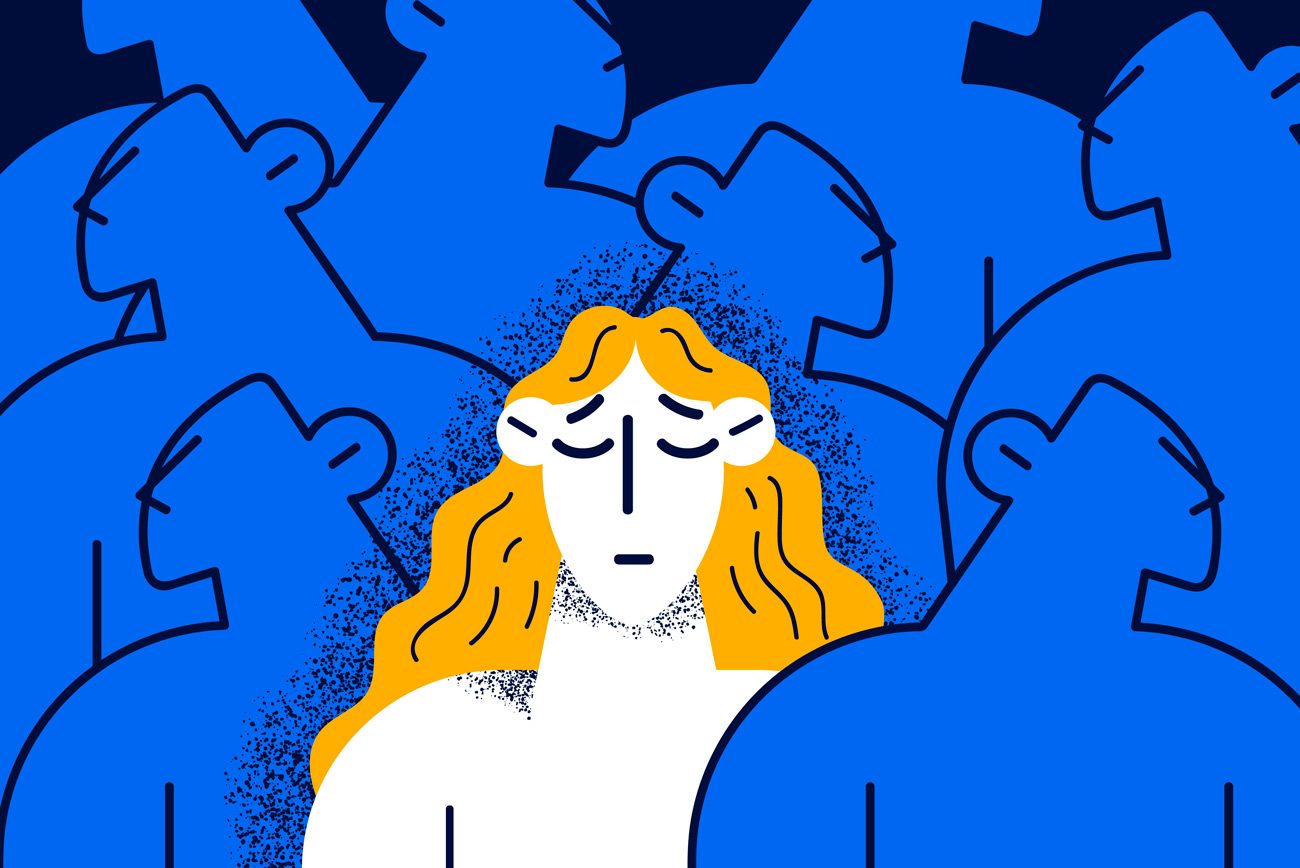
Social anxiety, on the other hand, goes beyond temporary discomfort. It involves an intense and persistent fear of being judged, embarrassed or negatively perceived in social situations. It’s also far more common than many people realise: more than half of the UK population experience social anxiety, with rates rising to 72% among 16 to 24-year-olds. Those with social anxiety often go out of their way to avoid interactions altogether, skipping events, staying silent in meetings, or finding excuses to cancel plans. When this anxiety begins to affect work, relationships and daily functioning, it is known as social anxiety disorder, or social anxiety disorder.
In short, shyness might make you feel uneasy in social situations, but you’ll usually still take part. Social anxiety disorder can make those same situations feel unbearable, to the point that you might change your behaviour or lifestyle to avoid them entirely.
Both exist on a spectrum, and everyone’s experience is unique. But recognising the difference matters, because social anxiety disorder is treatable, and seeking help can make a big difference.
Symptoms of social anxiety disorder
Physical symptoms
Social anxiety disorder often triggers noticeable physical reactions that can feel intense or difficult to control. Common symptoms include a racing or pounding heart; sweating; blushing; shaking; dry mouth; nausea; dizziness; muscle tension; or a tight chest.
Emotional and behavioural symptoms
Social anxiety disorder affects thoughts, emotions and behaviours, often creating a cycle of worry and avoidance. These symptoms may include a persistent fear of being judged or embarrassed; worrying in the lead up to a social event; overthinking; avoiding eye contact; and turning down social and professional opportunities.
Panic attacks
For some people, social situations may trigger panic attacks. These sudden episodes may involve intense fear or a sense of dread; shortness of breath; chest tightness or discomfort; shaking; dizziness; or a feeling of losing control or wanting to escape.
Additional symptoms
Social anxiety disorder can also affect general wellbeing and confidence. Other possible signs include having low self-esteem; difficulty asserting yourself; feeling very self-conscious; lack of concentration; or poor sleep due to stress and worry.
Is anxiety a mental illness?
Anxiety itself is a normal human response, but when it becomes persistent, overwhelming or begins to interfere with daily life, it can be classified as a mental health condition. Generalised anxiety disorder and social anxiety disorder are two examples. These conditions are recognised medical diagnoses and can be effectively treated with the right support.
What triggers anxiety?
Anxiety can be triggered by a range of factors, and these can vary from person to person. Common triggers include stressful life events, work pressure, social situations, health worries, relationship issues and financial strain. For some, specific environments or past experiences can set off anxious feelings, while others may be more sensitive to uncertainty or change.
How do you reduce social anxiety?
Social anxiety can be reduced through a combination of strategies. Many people find the following helpful:
- Gradual exposure to situations that feel challenging
- Breathing exercises and grounding techniques
- Cognitive behavioural therapy (CBT) to reframe unhelpful thoughts
- Building confidence through small, achievable steps
- Seeking support from a mental health professional if anxiety is affecting daily life
Over time, these approaches can make social situations feel more manageable.
What is the best treatment for social anxiety?
The most effective treatment for social anxiety depends on the individual, but many people benefit from talking therapies such as cognitive behavioural therapy (CBT), medication including SSRIs, or innovative options such as repetitive transcranial magnetic stimulation (rTMS). Lifestyle adjustments, such as gradual exposure to social situations or learning grounding techniques, can also support recovery.
It’s worth seeking help if social anxiety starts to interfere with work, relationships or daily life, or if avoidance becomes a common coping strategy. The London Psychiatry Centre offers tailored assessments and treatment plans, ensuring that care is shaped around your specific diagnosis, circumstances and mental health history, with a focus on helping you regain confidence in social situations.
If you’re recognising these symptoms in yourself, our team at The London Psychiatry Centre can provide a comprehensive assessment. For immediate help without needing to join a waiting list, call 020 7580 4224 or book online.